Vegan Diet for Beginners: A Simple Guide to Get Started
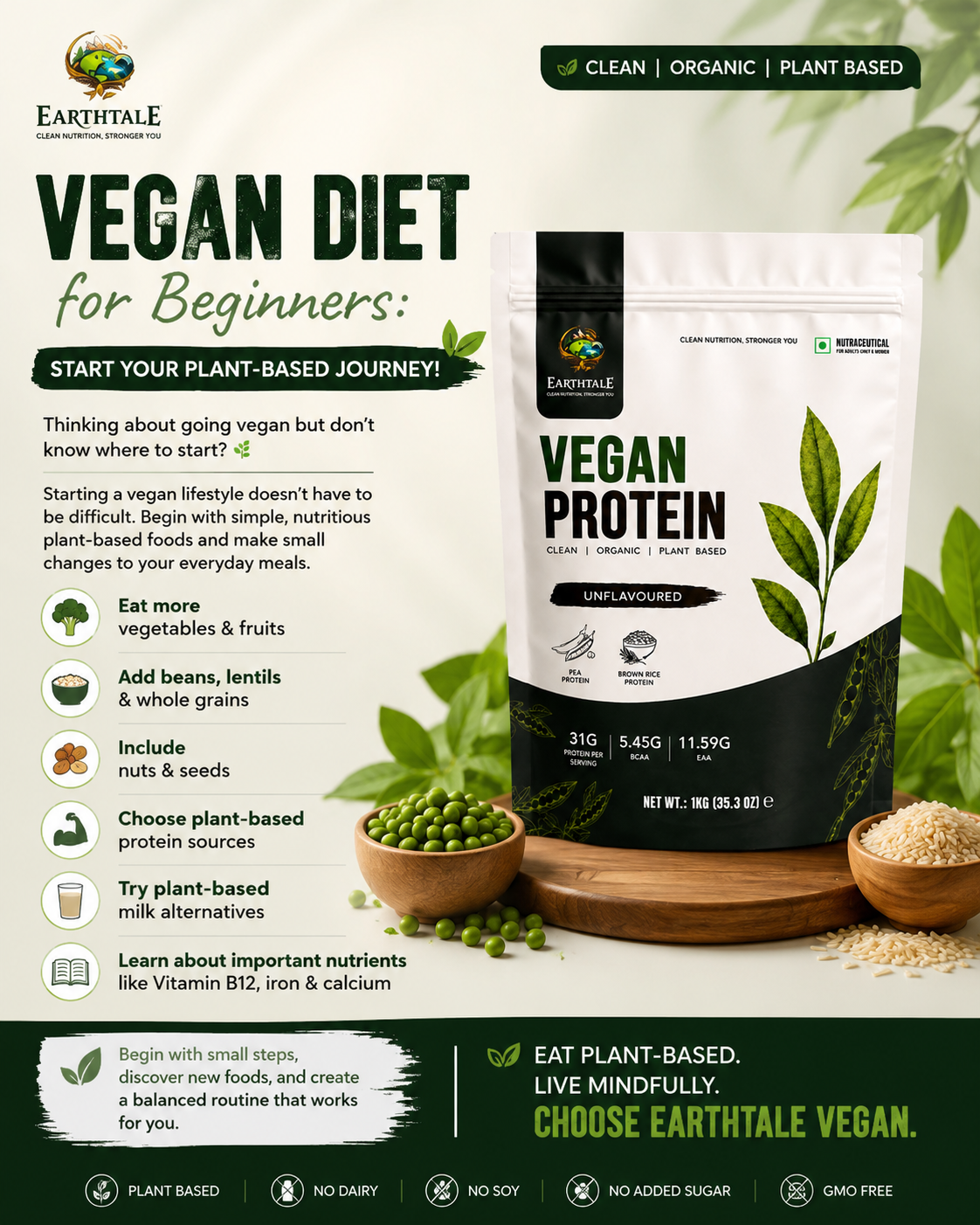
Starting a new way of eating can feel challenging at first, especially when you are not sure what foods to choose or how to create balanced meals. A vegan diet for beginners can be easier to follow when you start with simple foods, understand basic nutrition, and make gradual changes to your everyday meals.
Whether you want to become fully vegan or simply want to eat more plant-based foods, learning the basics can help you make informed and sustainable choices.
What Is a Vegan Diet?
A vegan diet avoids foods derived from animals. This generally includes meat, poultry, fish, eggs, dairy products, and ingredients such as gelatin.
Instead, vegan meals can include a wide variety of plant-based foods, including:
- Vegetables
- Fruits
- Beans and lentils
- Whole grains
- Nuts and seeds
- Plant-based milk
- Tofu and other soy foods
- Plant-based protein products
A vegan diet does not have to be complicated. The key is to focus on variety and choose a wide range of nutritious plant foods.
How to Start a Vegan Diet for Beginners
If you are new to vegan eating, you don’t need to change everything overnight. Start by replacing familiar foods with plant-based alternatives.
For example:
- Try oat, soy, or almond milk instead of dairy milk.
- Replace meat with beans, lentils, tofu, or other plant-based protein sources.
- Add more vegetables to lunch and dinner.
- Choose fruits, nuts, or seeds for simple snacks.
- Experiment with vegan versions of your favorite meals.
Making gradual changes can make the transition easier and help you discover foods you enjoy.
Best Foods for a Beginner Vegan Diet
A balanced plant-based eating pattern can include foods from several different groups.
1. Vegetables
Include a variety of vegetables such as spinach, broccoli, carrots, tomatoes, peppers, cauliflower, and leafy greens.
2. Fruits
Fruits such as bananas, apples, oranges, berries, mangoes, and grapes can add natural sweetness, vitamins, minerals, and fibre to meals.
3. Legumes
Beans, chickpeas, peas, and lentils are useful plant-based foods and can be included in curries, soups, salads, wraps, and other meals.
4. Whole Grains
Oats, brown rice, quinoa, whole-wheat bread, and other whole grains can provide carbohydrates and dietary fibre.
5. Nuts and Seeds
Almonds, walnuts, chia seeds, flaxseeds, pumpkin seeds, and sunflower seeds can be added to meals and snacks.
6. Plant-Based Protein
Tofu, tempeh, soy foods, beans, lentils, and plant-based protein products can help you include protein in your daily meals.
If you are looking for convenient plant-based protein options, explore the relevant Earthtale Vegan plant-based protein products on our website.
Simple Vegan Meal Ideas
Planning meals in advance can make your transition easier. Here are some simple ideas:
Breakfast:
Oatmeal with fruit, nuts, and seeds.
Lunch:
Chickpea salad with vegetables and whole-grain bread.
Snack:
Fresh fruit with nuts or seeds.
Dinner:
Lentil curry with brown rice and vegetables.
Post-workout option:
A suitable plant-based protein drink or snack based on your individual nutritional needs.
For more plant-based options, visit the Earthtale Vegan Shop and explore available products.
Important Nutrients on a Vegan Diet
Eating a varied diet is important when following a vegan eating pattern. Certain nutrients deserve particular attention.
Vitamin B12
Vitamin B12 is especially important because reliable natural sources are limited in a vegan diet. Fortified foods or supplements may be needed.
Protein
Include a variety of protein-rich plant foods such as beans, lentils, tofu, soy foods, nuts, seeds, and suitable plant-based protein products.
Iron
Plant-based sources of iron include lentils, beans, chickpeas, tofu, seeds, and some leafy green vegetables.
Calcium
Calcium can be obtained from fortified plant-based milk, calcium-set tofu, certain vegetables, and other fortified foods.
Omega-3 Fatty Acids
Foods such as chia seeds, flaxseeds, walnuts, and certain fortified products can contribute to omega-3 intake.
For reliable nutrition information, see the NHS guidance on vegan diets and the Harvard T.H. Chan School of Public Health plant-based diet guidance.
Common Mistakes Beginners Should Avoid
When starting a vegan diet, it is easy to focus only on what you are removing rather than what you should add.
Avoid these common mistakes:
- Eating too few calories
- Relying heavily on highly processed vegan foods
- Not eating enough protein-rich foods
- Ignoring important nutrients
- Eating the same foods every day
- Assuming every vegan product is automatically healthy
A healthy eating pattern should include variety, balance, and foods that meet your individual nutritional needs.
Vegan Diet for Beginners: Simple Daily Routine
A simple routine can make plant-based eating easier.
Morning: Start with oats, fruit, and seeds.
Afternoon: Choose a balanced lunch containing vegetables, whole grains, and a protein source.
Snack: Try fruit, nuts, seeds, or a suitable plant-based snack.
Evening: Have a meal containing vegetables, legumes or another protein source, and whole grains.
Remember that nutritional needs differ from person to person. If you have specific dietary requirements, speaking with a qualified nutrition professional can be helpful.
Building a Sustainable Vegan Lifestyle
A vegan lifestyle is about more than simply removing animal-based foods. It can also encourage greater awareness of ingredients, food choices, and everyday consumption.
Start slowly, learn new recipes, experiment with different plant foods, and find meals that work well for your lifestyle.
You can also explore our Earthtale Vegan Blog for more articles about plant-based nutrition, vegan food, and everyday wellness.
Conclusion
A vegan diet for beginners can be simple when you focus on whole plant foods, variety, balanced meals, and important nutrients. You don’t have to make every change at once. Start with small steps and gradually build meals around vegetables, fruits, legumes, whole grains, nuts, seeds, and suitable plant-based protein sources.
With good planning and informed choices, transitioning toward a vegan lifestyle can become a practical part of your everyday routine.