

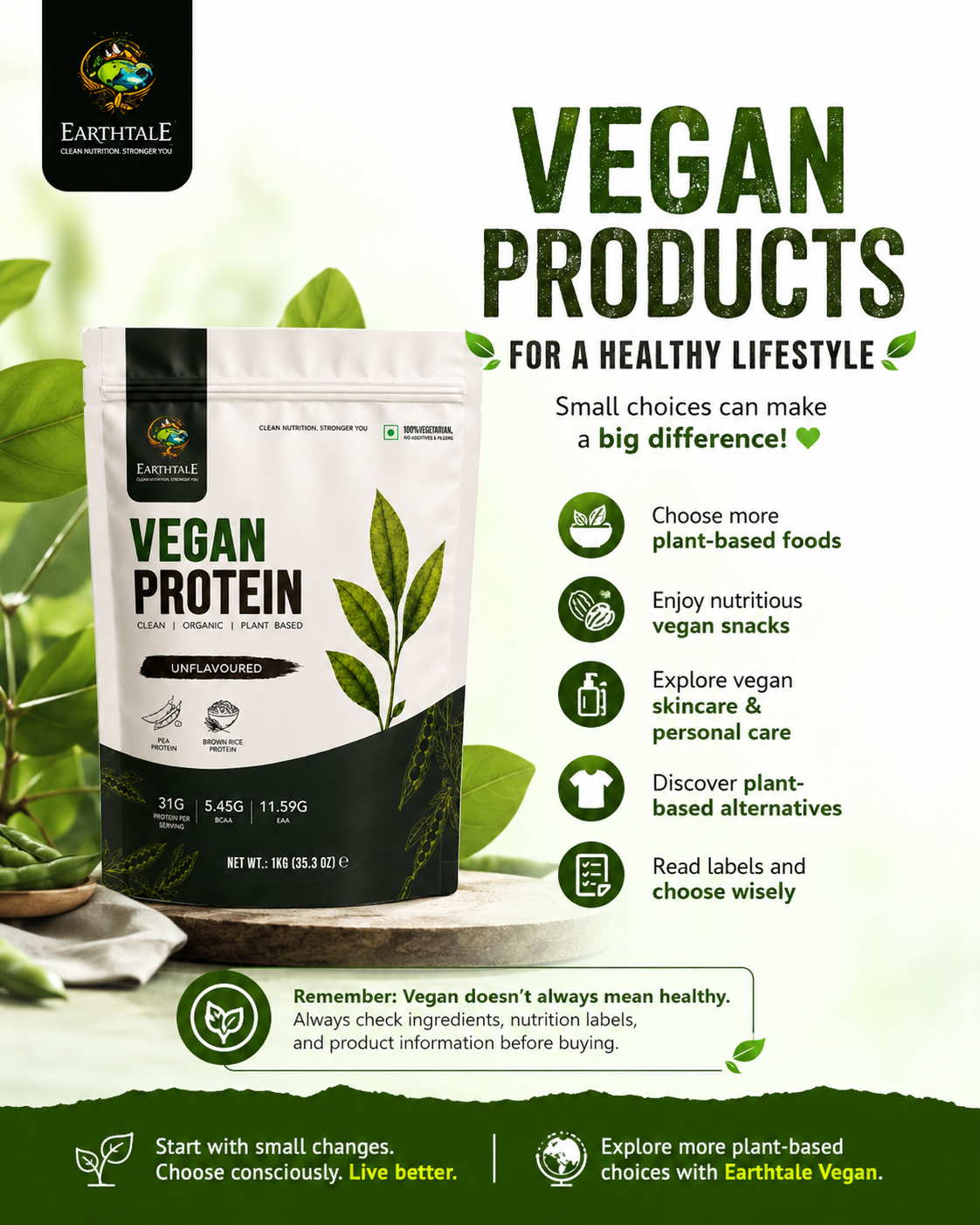
Vegan Products for a Healthy Lifestyle: A Simple Guide to Better Choices
A healthy lifestyle begins with the choices we make every day. Vegan products for a healthy lifestyle can help people explore plant-based alternatives in food, snacks, personal care, skincare, clothing, and other everyday categories. Whether you already follow a vegan lifestyle or simply want to include more plant-based choices in your routine, there are many options to explore.
What Are Vegan Products?
Vegan products are made without ingredients derived from animals. Depending on the product category, this generally means avoiding ingredients such as meat, dairy, eggs, gelatin, and other animal-derived materials.
Vegan products are no longer limited to food. Today, consumers can find vegan options in categories such as:
- Food and beverages
- Snacks
- Plant-based protein products
- Skincare
- Personal-care products
- Clothing
- Shoes and accessories
- Household products
Before purchasing any product, always check the ingredient list and product information. Clear product information makes it easier to understand what you are buying and whether it meets your personal preferences.
Vegan Food for Everyday Meals
Food is one of the easiest places to start when exploring a plant-based lifestyle. A varied diet can include vegetables, fruits, beans, lentils, whole grains, nuts, and seeds.
Plant-based alternatives can also be included in familiar meals. Depending on your dietary preferences, options such as oat milk, soy milk, almond milk, and other dairy-free alternatives can be used in drinks, breakfast recipes, cooking, and baking.
For people interested in plant-based nutrition, focusing on variety is important. Different plant foods provide different nutrients, so eating a wide range of foods can help create a more balanced diet.
For additional information about plant-based eating, see the Harvard T.H. Chan School of Public Health’s plant-based diet guidance.
Healthy Vegan Snacks
Busy schedules often make snacking part of everyday life. Instead of choosing highly processed snacks every time, consider simple options such as:
- Fresh fruits
- Nuts
- Seeds
- Roasted chickpeas
- Homemade energy bites
- Vegetable snacks
- Plant-based protein snacks
Packaged vegan snacks can also be convenient. However, it is important to remember that vegan does not automatically mean nutritious.
When purchasing packaged food, check the nutrition label, serving size, added sugar, sodium, protein, and ingredient list. Comparing products can help you make choices that better suit your nutritional goals.
Vegan Skincare and Personal Care
A vegan lifestyle can extend beyond food. Many brands now offer vegan skincare and personal-care products, including:
- Face cleansers
- Moisturizers
- Shampoos
- Conditioners
- Soaps
- Body lotions
When choosing skincare or personal-care products, look beyond the word “vegan.” Consider the ingredients, product quality, your skin or hair type, and any personal preferences you may have.
If a product makes additional claims such as cruelty-free or certified vegan, check whether those claims are supported by appropriate certification or clear information from the manufacturer.
Vegan Clothing and Accessories
Some people also choose vegan alternatives when purchasing clothing and accessories. Traditional animal-derived materials may include leather, wool, and silk.
Depending on the product, alternatives can include:
- Cotton
- Linen
- Hemp
- Cork
- Recycled materials
- Plant-based or synthetic alternatives
However, vegan does not necessarily mean environmentally friendly. Consumers should also consider durability, manufacturing practices, recycled content, and the overall lifecycle of a product when making purchasing decisions.
Benefits of Choosing Plant-Based Options
Choosing more plant-based products can encourage greater awareness of the ingredients and materials used in everyday products.
A varied plant-based diet containing vegetables, fruits, legumes, whole grains, nuts, and seeds can provide important nutrients and dietary fibre. However, a completely vegan diet requires thoughtful planning to ensure nutritional needs are met.
Vitamin B12 deserves particular attention because naturally occurring reliable sources are limited in a vegan diet. Fortified foods or supplements may therefore be necessary for people following a fully vegan diet.
The NHS guidance on vegan diets also highlights the importance of planning a balanced vegan diet and paying attention to nutrients such as vitamin B12.
How to Choose Quality Vegan Products
Choosing the right product does not have to be complicated. Use these simple steps:
- Read the ingredient list before purchasing.
- Check the nutrition label when buying food.
- Look for clear vegan labeling or certification where relevant.
- Compare similar products before making a purchase.
- Consider your personal nutritional or lifestyle needs.
- Check added sugar and sodium in packaged foods.
- Look for transparent brands that clearly explain their ingredients.
- Do not assume that vegan automatically means healthy.
These simple checks can help you make more informed purchasing decisions.
Building a Healthy Vegan Lifestyle
A healthy lifestyle is about consistency rather than perfection. You do not have to change everything at once.
Start with small steps, such as adding more vegetables to your meals, trying plant-based milk, choosing more whole-food snacks, or exploring vegan personal-care products.
If you are building a completely plant-based diet, focus on variety. Include different vegetables, fruits, legumes, whole grains, nuts, and seeds throughout your meals.
You can also explore Earthtale Vegan’s website for plant-based products and nutrition-focused options. [Add your relevant internal Earthtale Vegan product/category link here.]
For readers interested in plant-based protein, link this section to your relevant Earthtale Vegan protein product or category page using anchor text such as “plant-based protein” or “vegan protein products.”
Conclusion
Choosing vegan products for a healthy lifestyle can be a simple and meaningful way to make more mindful everyday choices. From food and snacks to skincare, personal care, clothing, and other everyday products, there are now many plant-based alternatives to explore.
The most important step is to look beyond marketing claims. Read labels, understand ingredients, compare products, and choose options that fit your individual needs.
A balanced lifestyle does not require perfection. Small, informed choices made consistently can help you build a more thoughtful and sustainable routine over time.
Contact No
9780606325
Infoearthtale@gmail.com