

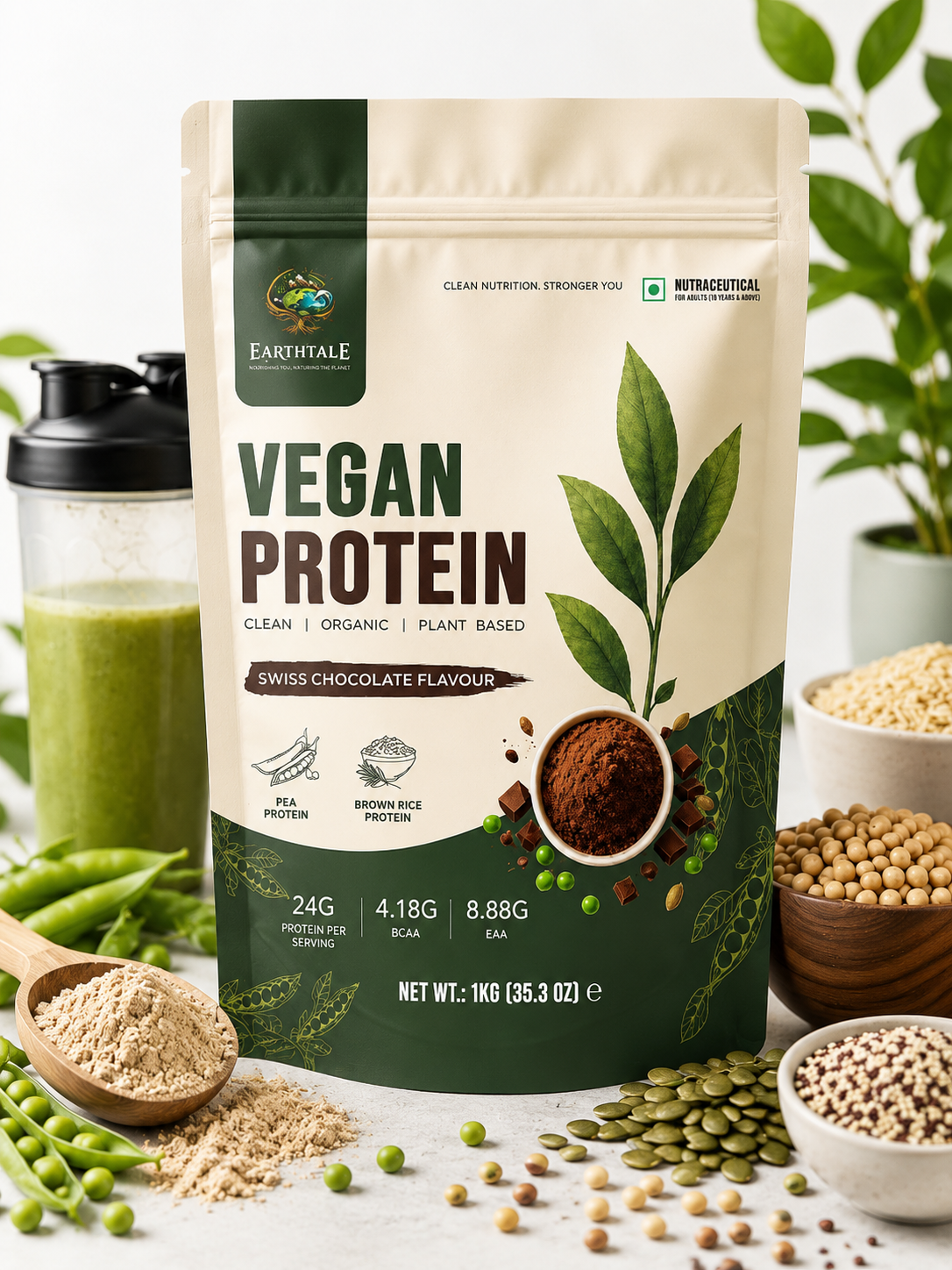
What Is Plant Protein?
Plant Protein Powder is a high-quality protein supplement made entirely from plant-based sources such as peas, brown rice, soy, hemp, chia seeds, lentils, quinoa, and pumpkin seeds. Unlike whey protein, which is derived from milk, plant protein contains no animal ingredients, making it an excellent choice for vegans, vegetarians, and people with lactose intolerance.
In addition to protein, plant-based ingredients naturally provide dietary fiber, antioxidants, vitamins, and essential minerals that support overall health, improve digestion, and aid muscle recovery. With advancements in food technology, modern plant protein supplements offer a complete amino acid profile, making them an effective alternative to animal-based protein.
Common Sources of Plant Protein
Plant protein is extracted from several nutrient-rich plant sources, including:
- Pea Protein
- Brown Rice Protein
- Soy Protein
- Hemp Protein
- Pumpkin Seed Protein
- Chia Seed Protein
- Lentils
- Quinoa
- Chickpeas
Many premium supplements combine two or more protein sources, such as pea and brown rice protein, to provide all nine essential amino acids.
Benefits of Plant Protein Powder
1. Supports Muscle Growth
One of the biggest myths about plant protein is that it cannot build muscle effectively. Research shows that consuming sufficient Plant Protein Powder along with resistance training supports muscle protein synthesis, muscle repair, and lean muscle development similar to other quality protein sources.
2. Promotes Faster Muscle Recovery
After intense exercise, muscles require amino acids to recover and rebuild. Plant protein provides essential amino acids, including branched-chain amino acids (BCAAs), which help reduce muscle soreness and improve post-workout recovery.
3. Easy to Digest
Since plant protein contains no lactose or dairy ingredients, it is generally easier to digest than whey protein. Many users experience less bloating and stomach discomfort after switching to plant-based protein supplements.
4. Rich in Essential Nutrients
Plant protein supplements provide more than just protein. They naturally contain:
- Dietary Fiber
- Iron
- Magnesium
- Zinc
- Potassium
- Vitamin E
- B Vitamins
- Antioxidants
These nutrients contribute to healthy digestion, energy production, immune function, and overall wellness.
5. Supports Weight Management
Protein and dietary fiber work together to increase feelings of fullness. This may help reduce unnecessary snacking and support healthy calorie intake, making plant protein beneficial for individuals following weight management programs.
6. Heart-Friendly Nutrition
Most plant-based protein supplements contain very little saturated fat and no cholesterol. Replacing animal protein with plant protein may contribute to improved heart health and better cholesterol levels when combined with a balanced diet.
7. Environmentally Sustainable
Plant protein production requires significantly less land, water, and energy than animal-based protein production. Choosing plant-based supplements helps reduce environmental impact while supporting sustainable nutrition.
Nutritional Value of Plant Protein
High-quality plant protein supplements are carefully formulated to provide a balanced nutritional profile.
They typically contain:
- Complete Essential Amino Acids
- Dietary Fiber
- Iron
- Magnesium
- Zinc
- Calcium
- Vitamin E
- B Vitamins
- Natural Antioxidants
These nutrients support muscle function, metabolism, immune health, and overall body performance.
Complete Amino Acid Profile
Some individual plant proteins naturally contain lower amounts of certain amino acids. However, modern formulations combine ingredients such as pea protein and brown rice protein to create a complete amino acid profile.
This combination helps support:
- Muscle protein synthesis
- Recovery after exercise
- Tissue repair
- Hormone production
- Enzyme formation
Role of BCAAs in Plant Protein
Branched-Chain Amino Acids (BCAAs), especially leucine, play a vital role in muscle growth and recovery.
Many plant protein supplements naturally contain BCAAs that help:
- Reduce muscle breakdown
- Improve recovery
- Support lean muscle growth
- Enhance workout performance
Plant Protein vs Whey Protein
| Plant Protein | Whey Protein |
|---|---|
| Dairy-Free | Milk-Based |
| Suitable for Vegans | Not Vegan |
| Contains Fiber | No Fiber |
| Rich in Antioxidants | Limited Antioxidants |
| Easy for Lactose Intolerant Individuals | May Cause Digestive Issues |
| Eco-Friendly Production | Higher Environmental Impact |
Both protein types are effective when consumed according to daily protein requirements, but plant protein is often preferred by individuals following vegan or dairy-free lifestyles.
Applications of Plant Protein in the Food Industry
Plant proteins are widely used beyond sports nutrition.
Common applications include:
- Plant-Based Milk
- Protein Bars
- Smoothies
- Meal Replacement Shakes
- Vegan Meat Alternatives
- Dairy Alternatives
- Bakery Products
- Healthy Snacks
- Functional Beverages
Their excellent emulsifying and water-binding properties improve food texture and stability.
Health Benefits of Plant Protein
Scientific studies suggest that plant protein supplementation may contribute to:
- Muscle maintenance
- Muscle recovery
- Healthy body composition
- Weight management
- Improved digestion
- Better heart health
- Healthy cholesterol levels
- Strong immune function
- Increased daily protein intake
When combined with regular exercise and a balanced diet, plant protein becomes an excellent nutritional supplement for active individuals.
Challenges of Plant Protein
Although plant protein offers numerous health benefits, there are a few considerations.
Amino Acid Balance
Some plant proteins naturally contain lower amounts of specific amino acids. Choosing blended protein formulas helps overcome this limitation.
Taste and Texture
Certain plant proteins may have an earthy flavor. However, modern manufacturing techniques have significantly improved taste, texture, and mixability.
Who Should Use Plant Protein?
Plant protein supplements are ideal for:
- Vegans
- Vegetarians
- Athletes
- Fitness Enthusiasts
- Gym Beginners
- Lactose Intolerant Individuals
- Weight Loss Programs
- Healthy Lifestyle Followers
Frequently Asked Questions (FAQs)
Is plant protein as effective as whey protein?
Yes. High-quality blended plant proteins can effectively support muscle growth and recovery when consumed in adequate amounts.
Can beginners use plant protein?
Yes. Plant protein is suitable for beginners, athletes, and anyone looking to increase their daily protein intake.
Is plant protein good for weight loss?
Yes. Its combination of protein and dietary fiber promotes satiety, helping manage calorie intake.
Is plant protein dairy-free?
Yes. Plant protein is completely dairy-free and suitable for people with lactose intolerance.
Conclusion
Plant Protein Powder is a nutritious, sustainable, and effective protein supplement that supports muscle growth, recovery, digestion, and overall health. Modern plant-based protein formulas provide complete amino acid profiles, essential vitamins, minerals, and fiber, making them an excellent alternative to traditional animal-based protein supplements. Whether your goal is building muscle, improving fitness, or maintaining a healthy lifestyle, plant protein can be a valuable addition to your daily nutrition plan.